
Insurance explained · Plain-English answers
Your insurance questions, answered in plain English.
Life, trauma, income and mortgage cover can be hard to tell apart, and ACC only goes so far. Here's what each type of cover does, how the cost changes as you get older, and where an adviser fits in.

Why use an adviser
Why you need a personal insurance adviser
You can buy cover straight from an insurer, a bank or a website. What you won't get is someone looking at your whole situation, comparing several insurers and explaining the trade-offs before you commit. That's our job.
-
Required by law to act in your interests
Financial advisers in New Zealand must act in your interests, treat you honestly and fairly, and follow the Code of Professional Conduct for Financial Advice Services.
-
Several insurers, one conversation
We compare cover and premiums across the insurers we work with, including Chubb, AIA, Partners Life and Asteron Life, so you don't have to fill in the same forms four times.
-
Upfront about how we're paid
Advisers must tell you if someone other than you pays them, such as an insurer paying commission. Our disclosure statements set out exactly how we're paid.
-
Careful about switching
The FMA has warned that replacing a policy can mean new exclusions, less cover for health conditions you already have, or new stand-down periods. We check what you'd give up before recommending any change.
Sources: FMA, paying for financial advice · FMA, insurance replacement business

Saving money
How can I save money on insurance?
The cheapest premium this year isn't always the cheapest cover. What matters is what you'll pay over the life of the policy, and whether you can still afford it when you're most likely to claim.
Many people cut their cover in their 50s and 60s because the premiums have climbed too far. The ways below can keep costs down now and later. Which ones suit you depends on your situation.
Life & trauma
Level the cover you'll need for years
Stepped premiums start lower and go up every year with your age. Level premiums start higher but are locked, so they don't rise with age unless you change your cover.
Mix and match
Keep stepped cover for shorter-term needs
Stepped premiums can suit cover you'll need less of over time, like the amount tied to a mortgage or to children who'll become independent.
Income protection
Choose a longer wait period
The wait period is how long you're off work before payments start. A longer wait lowers the premium, so match it to how long your sick leave and savings would last.
Health insurance
Consider a higher excess
A higher excess lowers your premium, but you pay more of each claim yourself. Health premiums usually rise with age and can't be levelled like life or trauma cover.
Every policy
Compare before you renew
Premiums and policy features differ between insurers. Getting several quotes, and reviewing your cover when your life changes, helps you avoid paying for cover you no longer need.
Before you cancel
Don't drop cover in a hurry
Cancelled cover can be hard to replace on the same terms, especially if your health has changed. Talk to us first. There may be a cheaper way to keep what matters.

What you need
Aaarg! What insurance do I actually need?
It depends on who relies on your income, what you owe, what you already have, and how long you could manage without pay. There's no one-size package, and you probably don't need every type of cover.
A good place to start is knowing what ACC does, and doesn't, pay for.
Hurt in an accident
ACC can help
ACC covers injuries caused by an accident. If you can't work because of the injury, weekly compensation can pay up to 80% of your income, usually from the eighth day after the injury.
Source: ACC, weekly compensation
Seriously ill
ACC doesn't cover illness
Cancer, a stroke, heart disease and conditions from ageing aren't accidents, so ACC won't pay. That gap is what personal insurance is for. In a 2022 survey, 18% of New Zealanders wrongly believed ACC would cover time off work for an illness like cancer.
Sources: ACC, what we cover · Partners Life survey of 1,007 New Zealanders, August 2022
The main types of personal cover
What each one pays and when it helps. Policy terms, definitions and limits vary between insurers.
Life insurance
- Pays
- A lump sum to the people you choose when you die. Many policies also pay early if you're diagnosed with a terminal illness.
- Helps if
- Someone depends on your income, or you have a mortgage or other debts.
Trauma insurance
- Pays
- A lump sum if you're diagnosed with a serious condition listed in the policy, such as cancer, heart attack or stroke.
- Helps if
- You want money to recover, pay for treatment or reduce debt, whether or not you go back to work.
Income protection
- Pays
- A monthly amount, often up to 75% of your income, if illness or injury stops you working, after the wait period you choose.
- Helps if
- Your household relies on your pay and you couldn't go long without it.
Mortgage protection
- Pays
- A set monthly amount towards your mortgage repayments if sickness or injury stops you working, after a wait period.
- Helps if
- Keeping your home is your biggest worry if you couldn't work for a while.
Total & permanent disability
- Pays
- A lump sum if a serious illness or injury means you're unlikely ever to work again, in your own job or any suitable job, depending on the policy.
- Helps if
- You'd need to pay off debt and fund life without an income.
Health insurance
- Pays
- For private treatment. Surgical cover pays for hospital and specialist care; comprehensive cover can add GP visits and prescriptions.
- Helps if
- You'd want treatment sooner, or with a specialist you choose.
- Who would struggle financially if you died or couldn't work?
- What do you owe, and how long until it's paid off?
- How long could you live on sick leave and savings?
- What cover do you already have, and what does it cost each year?

Trauma insurance
What is trauma insurance?
Trauma insurance, also called critical illness cover, pays you a lump sum if you're diagnosed with a serious condition named in your policy. Cancer, heart attack and stroke are among the conditions commonly covered. The money is yours to use as you need, whether that's time off work, treatment, help at home or paying down the mortgage.
About 15 years ago Mark and Kym added trauma cover. Just over a year later Mark had a heart event and needed three weeks off work. The payout arrived within those three weeks.
Read Mark's story →
Accelerated trauma
Sits inside your life cover. A trauma payout reduces your life cover by the same amount. Usually cheaper.
Stand-alone trauma
Separate from your life cover. A trauma payout leaves your life cover as it was.
Sources: Chubb Life, Trauma Cover brochure · Sorted insurance guide
Life insurance
When life means life
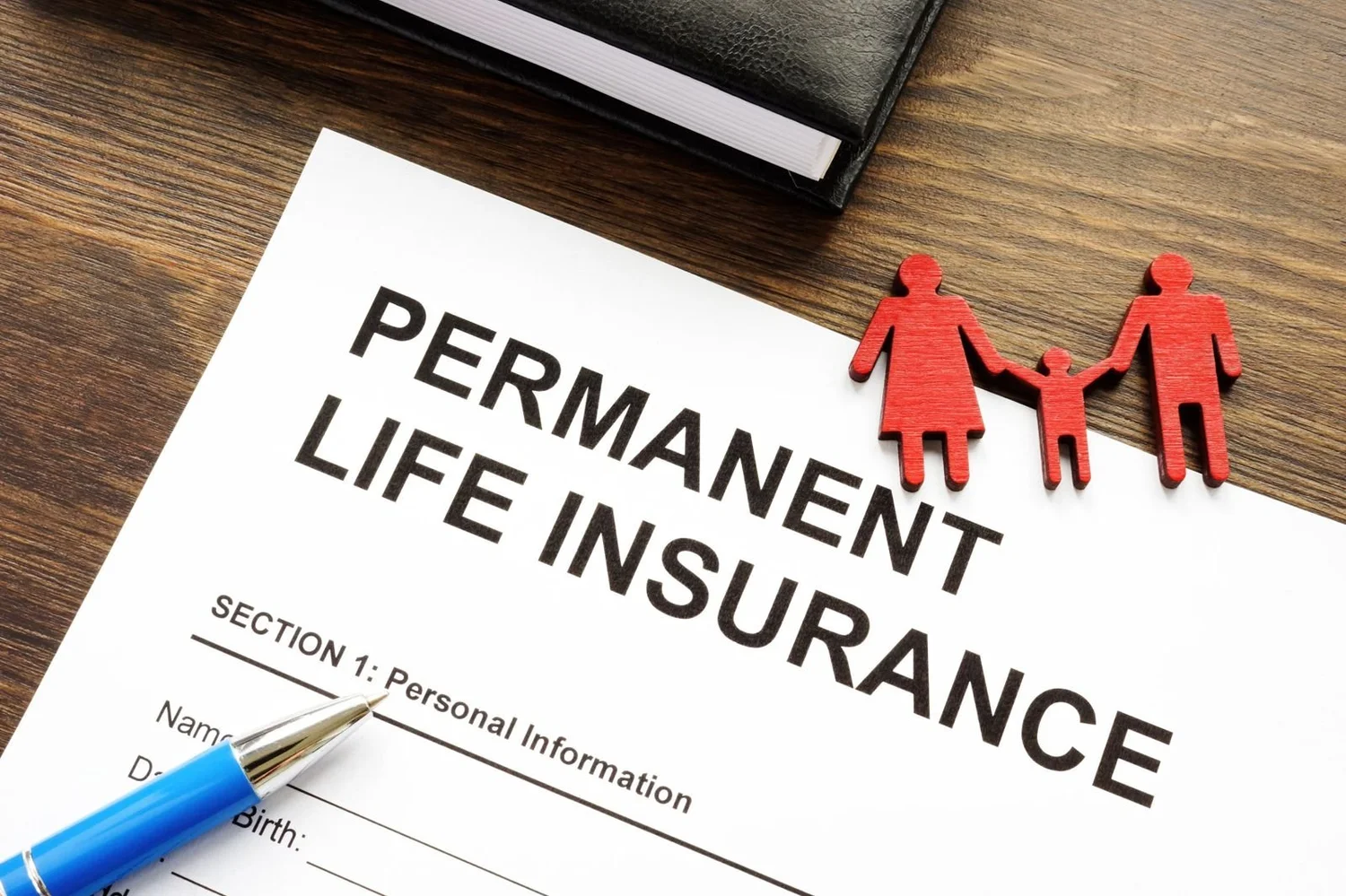
Life insurance pays a lump sum to the people you choose when you die. It gives your family choices at the hardest time, without money forcing the decisions.
Many policies also pay early if you're diagnosed with a terminal illness, often defined as a life expectancy of 12 months or less. Definitions differ between insurers, so we go through the wording with you.
Cover that lasts as long as you need it
Levelled life cover can stay in place to age 70, 80 or even 100, depending on the insurer and policy.
Source: Sorted insurance guide. Terminal illness definitions are set by each insurer's policy wording.
FAQs
Quick answers
Can't see your question? Ask Mark or Kym. There's no such thing as a silly insurance question.
Does ACC cover illness?
What's the difference between trauma insurance and income protection?
What's the difference between stepped and level premiums?
Should I switch insurers to get a cheaper premium?
Do I pay for your advice?
General information only. This page isn't financial advice and doesn't take your personal circumstances into account. Cover, definitions, exclusions and limits vary between insurers and policies, so always read the policy wording. For advice about your situation, book a review with Mark or Kym.
Get in touch
Still not sure what you need?
Book a free, obligation-free review with Mark or Kym. We'll look at what you have, what it will cost over time, and where the gaps are. We'll come back to you within 2 working days.